
Alliance
Kachin Independence Army (KIO/KIA), Karenni Army (KNPP/KA), Karen National Union/Karen National Liberation Army (KNU/KNLA), Democratic Karen Benevolent Army (DKBA), Karen National Union/Karen National Liberation Army-Peace Council (KNU/KNLA-PC), Mon National Liberation Army (NMSP/MNLA), Arakan Army (ULA/AA), Lahu Democratic Union (LDU), Restoration Council of Shan State (RCSS/SSA), Arakan Liberation Party (ALP/ALA), Pa-O National Liberation Army (PNLO/PNLA), All Burma Students Democratic Front (ABSDF), Chin resistance forces under the Chin State Council’s Defense Department, National Unity Government (NUG).
Organization Name
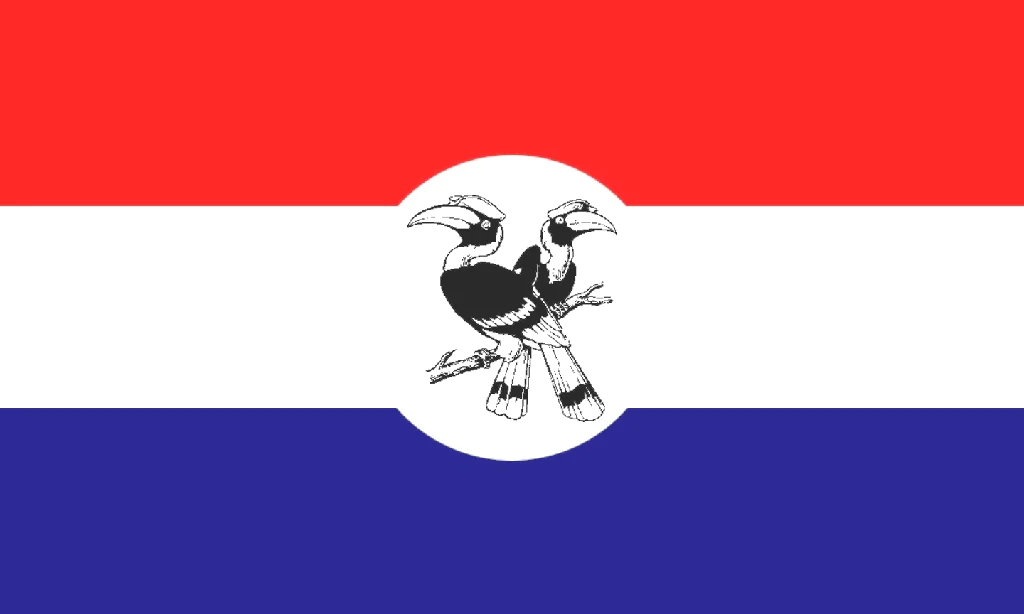
Chin National Front (CNF)
Armed Force
Chin National Army (CNA)
Political Organization
Chin National Front (CNF)
History in brief
Date of Establishment – March 20, 1988.
Headquarters – Victoria Camp, Thantlang Township, Chin State.
Areas of Operation – Thantlang Township, Tlang Pi Village Tract, Daung Village Tract, and Zantlang Village Tract
Estimated Strength – Over 5,000
Leaders – Pu Zin Cung (Chairperson), Pu Thang Ning Kee (Vice Chairperson-1), Dr. Lian Hmung Sakhong (Vice Chairperson-2), Dr. Sui Khar (Vice Chairperson-3).
The Chin National Front (CNF) was established on March 20, 1988, to secure the rights of the Chin people and create an independent federal system in Myanmar. The military wing of the CNF is the Chin National Army (CNA).
Despite the lack of major battles or conflicts in Chin State, the CNF has existed as the only Chin-based resistance force fighting for a federal system. During the transition from a military regime to a multi-party democracy during the term of President Thein Sein, all ethnic armed organizations were invited to ceasefire discussions, and the CNF participated in these discussions.
After signing preliminary ceasefire agreements at the state and union levels, the Nationwide Ceasefire Agreement (NCA) was signed on October 15, 2015, and the CNF participated in the political discussions that were implemented through the NCA. They were also actively involved in the step-by-step negotiations for the ceasefire agreement.
However, at the time of the coup, the CNF leaders denounced the military and said that they would reinitiate armed resistance. At the same time, they stopped the ongoing political discussions and prepared for military operations. In addition to forming a political alliance with the National Unity Government (NUG) that emerged after the coup, they have also established military alliances with various Chin local defense forces organized by the townships and tribes in Chin State. Since then, they have continued to resist the SAC.
The CNF was a member of the Interim Chin National Consultative Council (ICNCC), which was formed to lead political matters in Chin State. On September 30, 2021, the Chin resistance forces established the Chinland Joint Defense Committee (CJDC). This committee comprised 18 armed organizations from the Chin community, aiming to confront the SAC, with the CNF as a member. Initially, the CJDC included 18 resistance organizations from all over Chin State. However, due to the shortcomings of the CNF’s leadership, advocacy, and ammunition supply, the CJDC alliance began to split into two by 2023.
Six Chin resistance groups operating in Falam, Tedim, Tonzang, Mindat, Kanpetlet, and Matupi townships no longer cooperated with the CNF and formed the Chin Brotherhood (CB) as a separate alliance. The CB became an ally of the Arakan Army (AA). The CNF, together with some of the 2020 elected members of parliament and 13 allied forces, drafted a constitution for Chin State and re-established the Chinland Council (CC) on December 6, 2023.
The CC then established a defense department under it to coordinate military affairs, which included the CNF and 13 allied forces. After the formation of the CC’s defense department, the CJDC, the former military coordination committee, was dissolved on December 16, 2023. Due to military and alliance differences, the CC and CB are still engaged in conflicts. The two alliances also compete for political influence and territorial control.
Mission and Objectives
The three missions of the CNF are as follows:
- To build a Chinland that guarantees national self-determination.
- To build a federal democratic union that guarantees political and national equality.
- To build a democratic system.
- The four objectives of the CNA are as follows:
- To protect the territory and national rights of the Chin people.
- To protect the lives and property of the Chin people.
- To build an army that fulfills the characteristics of a national army.
- To implement the policies of the Chin National Front.
CNF/CNA Strategy
To achieve the mission of the Chin National Front by implementing military and political movements in a harmonized way.
Leaders and Central Committee Members
| No. | Name | Roles |
| (1) | Pu Zing Cung | Chairperson |
| (2) | Pu Thang Ning Kee | Vice Chairperson -1 |
| (3) | Dr. Sui Khar | Vice Chairperson -2 |
| (4) | Pu Thang Yen | Vice Chairperson -3 |
| (5) | Salai Thla Hei | General Secretary |
| (6) | Pu Ram Kulh Cung | Assistant Secretary General (1) |
| (7) | Salai Htet Ni | Assistant Secretary General (2) |
| (8) | Pu HC Ral Hnin | Assistant Secretary General (3) |
| (9) | Brigadier Ngun Hlei Thang | Commander-in-Chief |
Ceasefire and Peace Process
State-level peace agreement – January 6, 2012.
Union-level peace agreement – May 10, 2012.
Nationwide Ceasefire Agreement (NCA) – October 15, 2015.
Organizational Participation
The CNF was part of the Peace Process Steering Team (PPST), a group of ethnic armed organizations that signed the NCA. Since the coup, peace talks have been suspended, and the fights with the SAC forces have continued.
They are a former member of the Chinland Joint Defense Committee (CJDC), which is composed of 17 Chin revolutionary forces organized by townships and regions to attack the SAC forces in Chin State. They are also a member of the National Unity Consultative Council (NUCC), which sets policies and strategies for the National Unity Government (NUG).
Currently, CNF is a part of the Chin State Council’s Defense Department and collaborates in military operations.
Political and Military Stance in the Coup Period
The CNF has suspended all peace talks under the NCA because of the coup.
The CNF was the first ethnic armed organization to openly oppose the military coup. Their Vice Chairperson (2), Dr. Salai Lian Hmung Sakhong, strongly criticized the coup.
They were also the first ethnic armed organization to announce its alliance with the National Unity Government (NUG). Dr. Salai Lian Hmung Sakhong serves as the Union Minister in the NUG’s Federal Union Affairs Ministry.
The CNA is fighting the SAC in Chin State. They are also leading the newly formed township-based local defense forces and the Chin local defense forces in Chin State, providing military training and conducting joint operations with them.
Liaison Offices
- Matupi (June 23, 2012).
- Thantlang (June 29, 2012).
- Tedim (September 25, 2012).
Business Offices
- Paletwa (October 19, 2013)
- Yangon
- India–Myanmar border
- Mindat (August 20, 2014)
- Falam (February 17, 2015)
Brigades
Information not yet available.
Contact Information
Website: https://english.cnfhqr.org/
Facebook: https://www.facebook.com/cnfhq
Email: cnfinfo88@gmail.com , cnfhqmedia@gmail.com, thetni@gmail.com
Phone: Salai Htetni – +91 6909751721 , +91 9401147974